
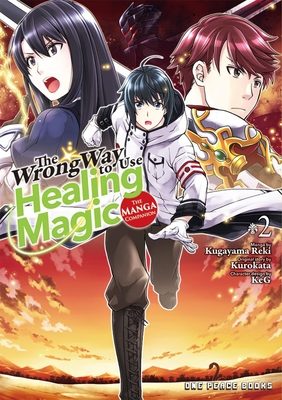
The Wrong Way To Use Healing Magic Shop in Anime: Epic Fails
Anime fans love the dazzling displays of healing magic, especially when a mysterious shop appears to supply the power. But not every spell works out as intended. When creators ignore the rules of their own worlds, the result is often hilarious, cringeworthy, and downright disastrous. In this post we explore the most common missteps and why “The Wrong Way To Use Healing Magic Shop” keeps popping up in fan discussions. Buckle up as we dive into epic fails that teach us how not to wield magical cures.
The Wrong Way To Use Healing Magic Shop: Ignoring the Cost
Many series introduce a healing magic shop that offers instant recovery for a price. Writers sometimes skip the crucial detail that every powerful spell demands a sacrifice. Characters who pay with nothing but a smile end up with side‑effects: temporary blindness, loss of memories, or bizarre transformations.
One classic example shows a hero buying a full‑body heal to save a comrade, only to lose their own voice for weeks. The audience laughs, but the plot suffers. By neglecting the cost, the story loses tension and the magic feels like a cheat code.
Misusing Healing Items: Over‑Reliance Leads to Stagnation
Another frequent fail is the over‑reliance on shop‑bought potions. When characters rush to the counter after every minor injury, battles become predictable. The stakes flatten because the audience knows a quick purchase can solve any problem.
Effective storytelling requires limitations. When a hero must choose between using a rare healing crystal or saving it for a future crisis, the tension spikes. Over‑use turns the magic shop into a plot shortcut, and viewers lose interest.
Wrong Timing: Healing Too Early or Too Late
Timing is everything in drama. A common mistake is introducing the healing magic shop at the exact moment a character is about to die, then instantly reviving them without consequences. This erases the emotional weight of the sacrifice.
Conversely, waiting until after the climax to reveal the shop can feel tacked on. The best moments arise when the shop’s magic is introduced with uncertainty—perhaps a character hesitates, weighing the risk of unknown side‑effects against the need to survive.
Creative Twists: Turning the Fail into Fun
While many shows fall into “The Wrong Way To Use Healing Magic Shop” tropes, clever creators flip the script. They give the shop a quirky personality, make the staff mischievous, or add a rule that each heal creates a random “gift”—a comedic side effect that propels the plot forward.
These twists keep the audience engaged. A hero might receive a temporary ability, like speaking to animals, after a mis‑applied heal. The resulting chaos adds humor and new story avenues, proving that even a flawed concept can become a memorable highlight when handled with imagination.
In conclusion, the missteps around healing magic shops serve as both cautionary tales and sources of comedy. By respecting costs, limiting over‑reliance, timing the magic wisely, and injecting creative twists, writers can transform a potential fail into an unforgettable moment. The next time you watch an anime featuring a mystical shop, keep an eye out for these pitfalls—and enjoy the epic fails when they happen.